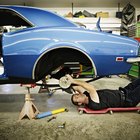
Si tienes un vehículo que ya no está en condiciones de circular y está ocupando espacio innecesario en tu propiedad, es importante que conozcas los pasos para registrar ese vehículo como chatarra en Carolina del Sur. Aunque puede parecer un proceso complicado, en realidad es bastante sencillo y puede ahorrarte muchos dolores de cabeza. En este artículo, te explicaremos detalladamente cómo llevar a cabo este registro y te daremos algunos consejos útiles para facilitar el proceso. Así que si estás listo para deshacerte de ese viejo vehículo y poner orden en tu propiedad, ¡sigue leyendo!

En Carolina del Sur, un vehículo de recuperación Un vehículo de motor es un vehículo de motor que una compañía de seguros ha declarado como pérdida total. Alternativamente, un vehículo chatarra puede ser un vehículo cuyas necesidades de reparación excedan el 75 por ciento del valor del vehículo antes de que ocurriera el daño.
Un vehículo de recuperación también puede ser un vehículo cuya carrocería, carrocería autoportante (combinación de bastidor y carrocería) o bastidor esté tan gravemente dañada que el vehículo ya no sea seguro para operar.
¿Qué es un título de salvamento?
A Titulo salvaje es el título de un vehículo de recuperación. Un título de vehículo chatarra señala que El vehículo corresponde a una de las descripciones de daños mencionadas anteriormente. El Departamento de Vehículos Motorizados (DMV) de Carolina del Sur designa un vehículo chatarra como “marca de chatarra”.
Una etiqueta de salvamento es una etiqueta que una agencia de vehículos motorizados agrega a la descripción de un vehículo para indicar que ha sufrido un incidente o daño que lo ha deteriorado.
Una aseguradora no brindará cobertura, ni siquiera a todo riesgo, para un vehículo que tenga un título de salvamento y no haya sido modificado para operar en las carreteras de Carolina del Sur. Sin embargo, una aseguradora puede optar por asegurar un vehículo de recuperación que haya sido modificado y esté listo para operar en las carreteras de Carolina del Sur.
Tipos de marcas de título
Las marcas de títulos de Carolina del Sur incluyen:
- Salvamento, antiguamente llamado salvamento o “salvamento no removible”.
- Inundación de salvamento, anteriormente llamada “agua de salvamento”.
- Fuego de salvamento.
- Salvamento reconstruido.
- Chatarra, antiguamente llamada “salvamento no reconstruible”.
- La Ley de Limón.
Hay dos términos nuevos: “reconstrucción mediante inundación de salvamento” y “reconstrucción mediante incendio de salvamento”. Un vehículo está etiquetado como «Remanufacturado por Salvamento» cuando tiene un título de salvamento y se transfiere a un nuevo propietario que repara el vehículo, completa la documentación apropiada y hace que un representante autorizado de SCDMV inspeccione el vehículo antes de reclamar el título que recibe el nuevo propietario. un nombre.
Marca de inundación de rescate
Un vehículo recibe la etiqueta «Inundación de salvamento» si se declara salvamento debido a daños por agua. Esta marca nunca debe eliminarse. Permanece con el vehículo durante toda su historia. La excepción es si una persona convierte el vehículo y obtiene un título de salvamento de conversión por inundación.
Marca reconstruida por inundación de salvamento
La marca registrada Salvage Flood Rebuilt representa un vehículo con un título de Salvage Flood Rebuilt que fue transferido a un nuevo propietario que reparó el vehículo, completó la documentación apropiada y hizo que un representante autorizado de SCDMV inspeccionara el vehículo antes de darle al vehículo un título y el nombre. del nuevo propietario.
Dicho vehículo tendrá sellos de «Inundación de rescate» y «Reconstrucción de inundación de rescate» en el título.
marca de salvamento
La marca “Salvage Fire” representa un vehículo que ha sido declarado salvado debido a daños por incendio. Esta marca nunca debe eliminarse. Permanece durante toda la historia del vehículo a menos que alguien vuelva a ensamblar el vehículo y reciba una «Restauración por incendio de remanufactura».
Marca reconstruida por incendio de salvamento
La marca comercial Salvage Fire Rebuilt se aplica a un vehículo que tiene un título de salvamento contra incendios y se transfiere a un nuevo propietario que reparó el vehículo, completó la documentación apropiada y hizo que un representante autorizado de SCDMV inspeccionara el vehículo antes de llevarlo a su propiedad. nombre de posesión. Dicho vehículo llevará las marcas “Salvage Fire” y “Salvage Fire Converted”.
El término “título reconstruido” generalmente se refiere a vehículos que han sido reparados después de ser declarados chatarra.
Vehículos marcados como chatarra
Un vehículo recibe la etiqueta de «salvamento» cuando una compañía de seguros declara que el vehículo está tan dañado que ya no se puede reparar hasta dejarlo en condiciones de servicio. Una compañía de seguros también puede etiquetar un vehículo como chatarra si el vehículo tiene valor solo como fuente de piezas o chatarra. Un vehículo marcado como «basura» no puede circular por las carreteras de Carolina del Sur.
Marca Ley Limon
La marca «Ley Limón» se agrega al título del vehículo si el vehículo nuevo estaba defectuoso y el fabricante o concesionario hizo tres intentos de reparar el vehículo pero no pudo hacerlo. Una marca de “Ley Limón” es negativa, pero no tan negativa como una marca de “Vehículo de salvamento”.
Matriculación de un vehículo chatarra
El propietario de un vehículo sólo debe registrar un vehículo chatarra si el automóvil ha sido modificado para circular por las carreteras de Carolina del Sur. Esto significa que el coche debe tener al menos una de estas marcas:
- Salvamento reconstruido.
- Inundación de salvamento reconstruida.
- Fuego de salvamento reconstruido.
El propietario debe completar los documentos correspondientes y hacer que un representante autorizado de SCDMV inspeccione el vehículo antes de titularlo en su nombre.
Un comprador puede obtener información sobre un vehículo solicitando un Formulario de información del vehículo (Formulario SCDMV 5027-A) o un Informe de colisión (Formulario SCDMV FR-50). Debe enviar el formulario a la dirección proporcionada en el mismo. La mayoría de las solicitudes cuestan $6 por informe o registro individual.
Titulación y registro periódicos
El propietario de un vehículo puede registrar un vehículo en Carolina del Sur si es un nuevo residente obteniendo una licencia de conducir de Carolina del Sur y transfiriendo el título y registro del vehículo. Antes de transferir su título y registro, deben pagar los impuestos sobre la propiedad del vehículo al tesorero de su condado.
El propietario del vehículo no puede recibir su nuevo título por correo hasta que su título extranjero haya sido liberado a través del Sistema Nacional de Información de Títulos de Vehículos Motorizados. Una vez que se haya autorizado el título, el nuevo título de Carolina del Sur del propietario se enviará a su dirección de Carolina del Sur.
Pasos iniciales de registro
El propietario de un vehículo que titula y registra su vehículo por primera vez en Carolina del Sur debe seguir estos tres pasos para:
- Notifique a su compañía de seguros de automóviles su nueva dirección en Carolina del Sur.
- Comuníquese con la oficina de inspección local y proporcione el número de identificación del vehículo (VIN) del vehículo que se está registrando en Carolina del Sur.
- Visite la sucursal local del DMV de Carolina del Sur con un conjunto de documentos específico.
Documentación de registro requerida
El propietario del vehículo debe tener estos documentos:
- Certificado original del impuesto a la propiedad del vehículo pagado en la oficina del tesorero del condado.
- Solicitud de título completa.
- Gravamen y/o registro actual del vehículo fuera del estado y nombre y dirección de la empresa que posee el gravamen.
- Forma de identificación aceptable, p.e. B. un permiso de principiante válido o una licencia de conducir de Carolina del Sur u otro estado.
- Información sobre seguros de coche.
- Tarifa de mantenimiento de infraestructura de $250 (FMI).
- Pago de Título y Matrícula.
Matriculación de un vehículo arrendado
Si la persona alquila el vehículo y la solicitud de título está firmada por el arrendatario (registrante) en nombre del arrendador (titular), el propietario del vehículo también debe traer un documento que acredite el poder.
Tarifas de registro de Carolina del Sur
En la mayoría de los casos, el propietario de un vehículo de pasajeros regular registrado y matriculado en Carolina del Sur pagará $305 por vehículo. Esto incluye el FMI de $250, la tarifa de título de $15 y la tarifa de registro/placa de $40.
La tarifa de registro/placa es más alta si el vehículo pesa más de 4,000 libras. Los $305 no incluyen los impuestos a la propiedad que el propietario debe pagar a su condado de residencia.
El propietario del vehículo paga al FMI una vez por vehículo y no tiene que volver a pagarlo. El propietario paga la tasa de registro/placa cada dos años. La tarifa de registro/placa puede ser mayor si el propietario compra una placa especial.
Registrarse sin una licencia de Carolina del Sur
El propietario de un vehículo que no posee un permiso de principiante, licencia de conducir o tarjeta de identificación válidos de Carolina del Sur debe completar el certificado de operación del vehículo (formulario SCDMV TI-006). Este formulario requiere que se apliquen uno o más de los siguientes:
- El propietario es un miembro militar activo en Carolina del Sur.
- El propietario está matriculado en una escuela de Carolina del Sur.
- El vehículo se mantiene en estas condiciones durante al menos seis meses al año.
Registros fuera del estado
Si un propietario es de otro estado y va a la escuela en Carolina del Sur, debe conservar el registro y el comprobante de seguro en el vehículo. Si el propietario mantiene el automóvil en Carolina del Sur durante al menos seis meses al año, debe presentar uno de los siguientes documentos en una sucursal de SCDMV:
- Si la persona es propietaria del vehículo y es propietario de una vivienda o inquilino en Carolina del Sur, debe tener prueba de dirección en Carolina del Sur, como por ejemplo: B. un cheque del Seguro Social o una factura de servicios públicos reciente.
- Si la persona es propietaria del vehículo y está empleada en Carolina del Sur, debe tener una carta de su empleador que indique que trabaja en el estado.
- Si la persona es propietaria del vehículo y vive con un propietario de vivienda o una persona que alquila una casa en Carolina del Sur, la persona debe completar el formulario SCDMV TI-006 y proporcionar una copia del permiso de principiante, licencia de conducir o tarjeta de identificación válidos y vigentes del propietario para el sur. Carolina proporciona la dirección correcta. El propietario de la vivienda debe conseguir que el propietario del vehículo haga esto.
una oficina local del DMV
completar una declaración jurada del vehículo estacionado principalmente en la residencia de Carolina del Sur (formulario SCDMV TI-006A).
Los requisitos anteriores no se aplican a las casas móviles si la dirección residencial es una dirección de Carolina del Sur. Si un vehículo de otro estado no tiene título, el DMV de Carolina del Sur lo registrará según el año en que se fabricó el vehículo y el año en que el otro estado comenzó a emitir títulos de vehículo.
En este caso, el propietario del vehículo necesita el contrato de compra, que puede obtener en una sucursal de SCDMV o enviarlo por correo postal. El contrato de compra debe ser un documento original, no una copia.
Tarifas de registro de vehículos de desecho
La tarifa del título es de $15. No hay ningún cargo especial o adicional por designar un cargo con un token de rescate. El Tasa de matriculación de un vehículo. Depende del tipo de vehículo que se esté matriculando. Ejemplos de tarifas de inscripción son:
- $40 por un auto.
- $40 por una casa rodante.
- $10 por una motocicleta o ciclomotor.
Carolina del Sur también impone una tarifa por peso bruto del vehículo (GVW). Esta tarifa depende del peso del coche. Una lista parcial de los cargos por peso bruto permitido es:
- De 1.000 a 4.000 libras: 30 dólares.
- 4.001 a 5.000 libras: 40 dólares.
- 5.001 a 6.000 libras: 50 dólares.
Un automóvil estándar pesa alrededor de 4100 libras.
Para transacciones pagadas con tarjeta de débito o crédito, el SCDMV cobra una tarifa de servicio de $1 más 1.7 por ciento. Esta no es una tarifa de SCDMV. Es una tarifa de servicio por procesar tarjetas de débito y crédito. Para evitar el cargo por servicio, el propietario del vehículo puede pagar una transacción en efectivo durante una visita en persona al DMV.
Restricciones a vehículos no matriculados
Mientras el propietario de un vehículo no haya pagado sus cuotas, no podrá:
- Renueve su licencia de conducir de Carolina del Sur.
- Renovar el registro del vehículo en Carolina del Sur.
- Reemplace una licencia de conducir de Carolina del Sur perdida o robada.
- Reemplace una placa de Carolina del Sur perdida o robada.
- Solicite una licencia de discapacidad en Carolina del Sur.
- Compre una copia de su registro de manejo en el SCDMV.
Método de pago
El propietario de un vehículo puede pagar en una sucursal de SCDMV en efectivo, cheque, tarjeta de crédito o débito. Si paga con tarjeta de crédito o débito, la tarjeta debe estar a su nombre. No puede estar a nombre de una empresa o empresa que representan.
Una persona que completa una transacción en línea debe pagar con tarjeta de crédito o débito. Una persona que envía una transacción por correo debe emitir un cheque o giro postal pagadero al SCDMV. Debe enviar los documentos y el pago por correo a la entidad comercial correspondiente. La dirección de la entidad comercial se encuentra en el formulario que envía el individuo.
Tarifas de inscripción tardía
Se aplican tarifas por inscripción tardía. Las sanciones varían dependiendo de qué tan tarde se presente el cargo. Por ejemplo, una solicitud presentada con entre uno y 14 días de retraso incurrirá en una tarifa de $10, mientras que una solicitud presentada con entre 15 y 30 días de retraso incurrirá en una tarifa de $25.
[automatic_youtube_gallery type=»search» search=»Cómo registrar un vehículo chatarra en Carolina del Sur
» limit=»1″]
Write an SEO optimized article for a blog, with frequently asked questions. About the following topic Cómo registrar un vehículo chatarra en Carolina del Sur
. Get inspired by the following content,
••• Thomas Barwick/Stone/GettyImages In South Carolina, a salvage vehicle is defined as a motor vehicle that an insurance company has declared a total loss. Alternatively, a salvage vehicle may also be a vehicle that requires repairs which exceed 75 percent of the value of the vehicle before the damage occurred. A salvage vehicle may also be a vehicle that has damage to the body, unibody (combined frame and body) or frame to the extent that the vehicle is unsafe for operation. What Is Salvage Title? A salvage title is the title to a salvage vehicle. A salvage vehicle title indicates that the vehicle fits one of the above descriptions regarding damage. The South Carolina Department of Motor Vehicles (DMV) types a salvage vehicle as having a “salvage brand.” A salvage brand is a tag that a department or bureau of motor vehicles adds to the description of a vehicle to indicate that it experienced some type of incident or damage that compromised it. An insurer will not put any coverage, including full coverage, on a vehicle that has a salvage title and is not rebuilt to the extent that it can be operated on South Carolina’s roads. But, an insurer may choose to put coverage on a salvage vehicle that has been rebuilt and can be operated on South Carolina’s roads. Types of Title Brands South Carolina’s title brands include: Salvage, formerly called salvage or “salvage non-removable.” Salvage flood, formerly called “salvage water.” Salvage fire. Salvage rebuilt. Junk, formerly called “salvage non-rebuildable.” Lemon law. There are two new terms, “salvage flood rebuilt” and “salvage fire rebuilt.” A vehicle has the “salvage rebuilt” brand if it has a salvage title and is transferred to a new owner who has repaired the vehicle, completed the proper documents and had the vehicle inspected by an authorized agent of the SCDMV before titling in the new owner’s name. Salvage Flood Brand A vehicle has the “salvage flood” brand if it is declared salvage due to water damage. This brand should never be removed. It stays with the vehicle throughout the history of the vehicle. The exception is if a person rebuilds the vehicle and is issued a salvage flood rebuilt title. Salvage Flood Rebuilt Brand The brand “salvage flood rebuilt” is for a vehicle with a salvage flood title that was transferred to a new owner who repaired the vehicle, completed the proper documents and had the vehicle inspected by an authorized agent of the SCDMV before titling the vehicle in the new owner’s name. Such a vehicle will have both the brands “salvage flood” and “salvage flood rebuilt” on the title. Salvage Fire Brand The brand “salvage fire” is for a vehicle that is declared salvage due to damage caused by fire. This brand should never be removed. It stays with the vehicle through its history unless a person rebuilds the vehicle and is issued a “salvage fire rebuilt.” Salvage Fire Rebuilt Brand The brand “salvage fire rebuilt” is for a vehicle that has a salvage fire title, is transferred to a new owner who has repaired the vehicle and completed the proper documents and had the vehicle inspected by an authorized agent of the SCDMV before titling in their name. Such a vehicle will have the brands “salvage fire” and “salvage fire rebuilt.” The term “rebuilt title” generally refers to vehicles that have been repaired after being declared salvage vehicles. Vehicles Labeled as Junk A vehicle has the brand “junk” when an insurance company declares the vehicle has been damaged to the extent that it cannot be repaired for operation. An insurance company can also declare a vehicle junk if the vehicle is only of value as a source of parts or scrap metal. A vehicle with a junk brand cannot be driven on South Carolina’s roads. Lemon Law Brand The brand “Lemon Law” is added to the vehicle’s title if the new vehicle was defective and the manufacturer or dealer made three attempts to fix the vehicle, but could not do so. A “Lemon Law” brand is negative, but not as negative as a “salvage vehicle” brand. Registering a Salvage Title Vehicle A vehicle owner should only register a salvage vehicle if the car is rebuilt so that it can be driven on South Carolina roads. This means the car must have at least one of these brands: Salvage rebuilt. Salvage flood rebuilt. Salvage fire rebuilt. The owner must complete the proper documents and get the vehicle inspected by an authorized agent of the SCDMV before titling it in their name. A buyer can obtain information on a vehicle by completing a request for vehicle information form (SCDMV form 5027-A) or a request for collision report (SCDMV form FR-50). They should mail the form to the address provided on it. Most requests are $6 per individual report or record. Regular Titling and Registration A vehicle owner can register a vehicle in South Carolina if they are a new resident by getting a South Carolina driver’s license and transferring the vehicle’s title and registration. Before they transfer their title and registration, they must pay vehicle property taxes with their county treasurer. The vehicle owner cannot receive their new title in the mail until their out-of-state title is cleared through the National Motor Vehicle Title Information System. After the title is cleared, the owner’s new South Carolina title will be mailed to their South Carolina address. Steps for First-Time Registration A vehicle owner titling and registering their vehicle in South Carolina for the first time is required to follow these three steps in order: Provide their auto insurance company with their new South Carolina address. Contact their local auditor’s office and provide the Vehicle Identification Number (VIN) of the vehicle being registered in South Carolina. Visit their local branch of the South Carolina DMV with a specific set of documents. Required Registration Documentation The vehicle owner must have these documents: Original paid vehicle property tax receipt from the county treasurer’s office. Completed certificate of title application. Most recent out-of-state vehicle lien and/or registration and the name and address of the company that holds the lien. Form of acceptable identification, such as valid South Carolina or out-of-state beginner’s permit or driver’s license. Car insurance company information. $250 infrastructure maintenance fee (IMF). Title and registration payment. Registering a Leased Vehicle If the individual is leasing the vehicle, and the title application is signed by the lessee (registrant) on behalf of the lessor (title holder), the vehicle owner must also bring a document that establishes power of attorney. South Carolina Registration Fees In most cases, if the owner has a regular passenger vehicle that will be titled and registered in South Carolina, they will pay $305 per vehicle. This includes the $250 IMF, $15 title fee and $40 registration/license plate fee. The registration/license plate fee will be higher if the vehicle is over 4,000 lbs. The $305 does not include the property tax the owner must pay to their county of residence. The vehicle owner will pay the IMF once per vehicle, and will not have to pay it again. The owner will pay the registration/plate fee every two years. The registration/plate fee may be more if the owner buys a specialty plate. Registration Without South Carolina License A vehicle owner who does not have a valid South Carolina beginner’s permit, driver’s license or identification card is required to complete the statement of vehicle operation (SCDMV form TI-006). This form provides that one or more of the following applies: Owner is an active duty military member in South Carolina. Owner is enrolled in a school in South Carolina. Vehicle is kept in the state at least six months of the year. Out-of-state Registrations If an owner is from out of state and is attending school in South Carolina, they must keep registration and proof of insurance in the vehicle. If the owner keeps the car in South Carolina for at least six months of the year, they should show one of the following at an SCDMV branch: If the person owns the vehicle and is a homeowner or lessor in South Carolina, they must have one South Carolina proof of address, such as a Social Security check or current utility bill. If the person owns the vehicle and is employed in South Carolina, they must have a letter from their employer saying they work in the stateI If the person owns the vehicle and lives with a homeowner or a person leasing a home in South Carolina, they must complete SCDMV form TI-006 and show a copy of the homeowner’s valid, unexpired South Carolina beginner’s permit, driver’s license or ID with their correct address. The homeowner must bring the vehicle owner to a local DMV office to complete an affidavit of vehicle principally garaged at South Carolina residence (SCDMV Form TI-006A). The above requirements do not apply to mobile homes if the home address is a South Carolina address. If an out-of-state vehicle does not have a title, the South Carolina DMV will register it depending on the vehicle’s year and the year the other state started titling vehicles. In this case, the vehicle owner needs the bill of sale, which they can get from an SCDMV branch or the SCDMV can mail it to them. The bill of sale must be an original document, not a copy. Fees for Salvage Vehicle Registration The title fee is $15. There is no special or extra fee to title a fee with a salvage brand. The registration fee for a vehicle depends on the type of vehicle that is being registered. Examples of registration fees include: $40 for a passenger car. $40 for an RV. $10 for a motorcycle or moped. South Carolina also imposes a gross vehicle weight (GVW) fee. This fee depends on the weight of the car. A partial schedule of GVW fees is: 1,000 to 4,000 lbs: $30. 4,001 to 5,000 lbs: $40. 5,001 to 6,000 lbs: $50. A standard car weighs approximately 4,100 lbs. The SCDMV charges a $1, plus 1.7 percent service fee for transactions paid using a debit or credit card. This is not a SCDMV fee. It is a service fee for processing debit and credit cards. To avoid the service fee, the vehicle owner can use cash to pay for a transaction when visiting the DMV in person. Restrictions on Unregistered Vehicles Until a vehicle owner pays their fees, they cannot: Renew their South Carolina driver’s license. Rnew their South Carolina vehicle registration. Replace a lost or stolen South Carolina driver’s license. Replace a lost or stolen South Carolina license plate. Apply for a disabled placard in South Carolina. Buy a copy of their driving record from the SCDMV. Methods of Payment A vehicle owner may pay with cash, check, credit or debit card at a SCDMV branch. If they are paying with a credit or debit card, the card must be in their name. It cannot be in the name of a business or company they represent. A person completing an online transaction must pay with a credit or debit card. A person mailing a transaction should make out a check or money order to the SCDMV. They must mail the paperwork and payment to the appropriate business unit. The address of the business unit will be on the form the person submits. Late Registration Fees There are fees for late registration. The penalties differ depending on how late the fee is submitted. For example, a registration submitted between one and 14 days late requires a fee of $10, while a registration 15 to 30 days late requires a fee of $25.
References South Carolina Department of Motor Vehicles: Salvage Pool Operators South Carolina Department of Motor Vehicles: Moving to South Carolina – Vehicle South Carolina Code of Laws: Title 56, Motor Vehicles South Carolina Department of Motor Vehicles: Title Brands South Carolina Department of Motor Vehicles: Driver Services Related Fees Resources Form TR-3 Request for Salvage Title in South Carolina South Carolina DMV Office List Writer Bio Jessica Zimmer is a journalist and attorney based in northern California. She has practiced in a wide variety of fields, including criminal defense, property law, immigration, employment law, and family law.
Related Articles South Carolina Utility Trailer Hauling Requirements How to Register a Car in Texas California Motorcycle Salvage Titles Laws How to Obtain a Salvaged Car Title in Pennsylvania
. Write this article in html format for a web page, with
,
, , ,
,
- tags. Remove
tags. Add external reference links to relevant sources within the text. Write the content in Spanish.
- ,
- tags. Remove
tags. Add external reference links to relevant sources within the text. Write the content in Spanish.