Una de las preguntas más comunes entre los ciudadanos es si un civil puede tener matrícula. Esta interrogante surge debido a la falta de claridad sobre quiénes pueden obtener este documento y cuáles son los requisitos necesarios. En este artículo, exploraremos a fondo este tema y aclararemos todas las dudas para que puedas comprender si eres elegible para obtener una matrícula como civil. ¡Sigue leyendo!
Hay varias razones legítimas por las que un civil podría intentar comprobar una matrícula, pero en definitiva no es posible. Es ilegal conservar una matrícula y cualquier sitio web que afirme hacerlo por usted probablemente sea una estafa.
Una placa puede brindarle información sobre el propietario de un vehículo que podría ser de su interés si fue testigo o estuvo involucrado en un delito o accidente. Sin embargo, en casi todos los casos, si está pensando en controlar una matrícula, la mejor opción es comunicarse con la policía.
En esta guía explicaremos exactamente qué sucede cuando ejecuta una matrícula y qué información puede recibir. También resolveremos cualquier duda que puedas tener sobre las consecuencias legales de tener matrícula.
Si está interesado en obtener información sobre una matrícula, siempre debe comunicarse con las autoridades.
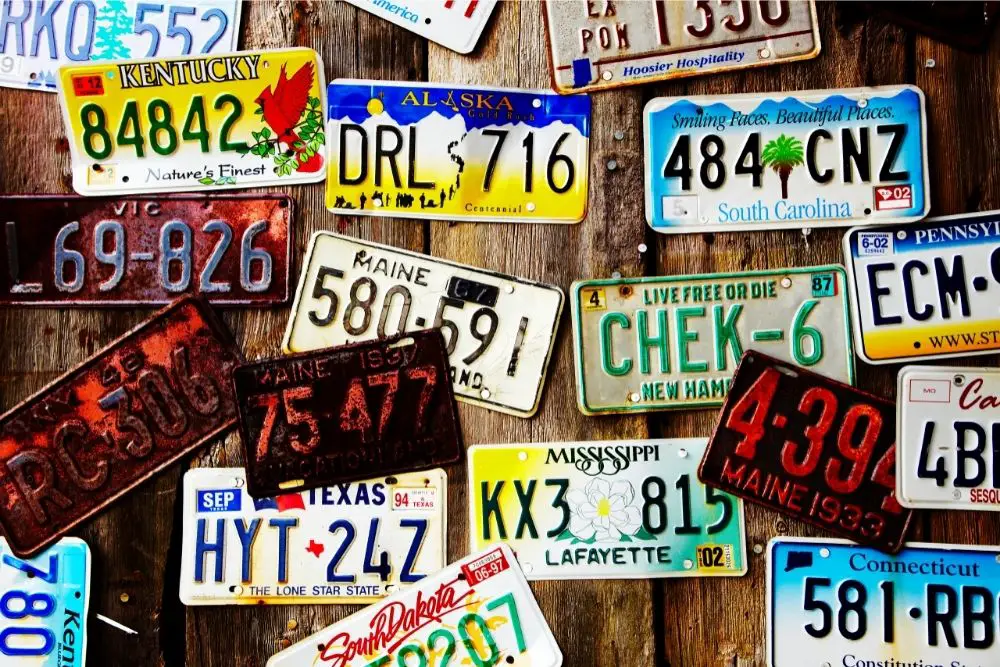
>¿Puede un civil tener matrícula?
Hay una gran cantidad de automóviles en cada estado y la información sobre ellos se almacena en varias bases de datos. Estas bases de datos están disponibles para las autoridades y contienen información sobre el automóvil y su propietario registrado.
Estas grabaciones no están disponibles para fines civiles. Un civil no puede mantener un número de matrícula y no tiene acceso a esta información. Si anotas el número de una matrícula en la calle, no podrás buscarla.
El DMV tiene la capacidad de mantener las placas y puede ayudar con esto. Pero no será un simple intercambio de información. En su lugar, se le pedirá que complete un formulario y pague una tarifa para asegurarse de que tiene una razón legítima para ejecutar la licencia. Y si no puede proporcionar un motivo válido, su solicitud será rechazada y el departamento de tráfico puede decidir alertar a la policía.
Si busca en línea, puede encontrar sitios web que afirman publicar matrículas por una tarifa. Esto es ilegal y habrá consecuencias por el uso de estos sitios web. Y esto es después de que el sitio haya tomado su dinero y posiblemente le haya proporcionado información incorrecta.
Ya sea que haya estado involucrado en un accidente o haya sido testigo de un delito, comunicarse con la policía es un mejor curso de acción.
¿Es ilegal que un civil tenga matrícula?
Hemos establecido que a los civiles no se les permite portar placas, pero es importante entender que el acto es ilegal.
Incluso si cree que tiene una razón completamente legítima para necesitar tener una matrícula, existen numerosas razones ilegítimas e ilegales por las que alguien querría esta información.
Por este motivo, incluso el intento de comprobar una matrícula puede provocar la intervención de la policía. Ya sea que ingrese su información en un sitio web que dice administrar matrículas o hable con alguien y el amigo de un amigo que le diga que puede aclararlo, estará infringiendo la ley.
En la mayoría de los casos, contactar a la policía es una mejor solución. Tal vez usted haya estado involucrado en un atropello y fuga y quiera tomar el asunto en sus propias manos. Esta es una mala idea por muchas razones. Proporciona la información a tu compañía de seguros y a la policía y deja que la procesen.
Si desea conservar una matrícula por motivos personales, debe considerar si este es el mejor curso de acción. En la mayoría de los casos, hay pocas razones por las que necesitaría acceder a la información que puede proporcionar una matrícula.
Dependiendo de las leyes de su estado, es posible que pueda buscar información básica sobre las placas en el DMV. Sin embargo, este es un proceso largo y hay muchas posibilidades de que su solicitud sea rechazada.
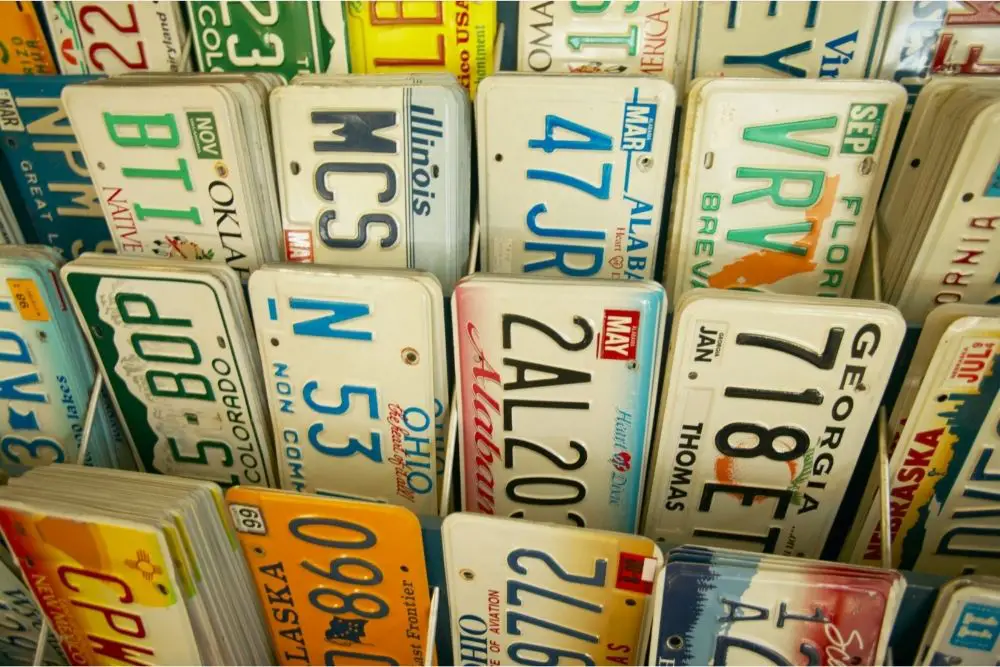
>¿A qué información puede acceder la policía al tener un número de placa?
Es una escena que todos conocemos de películas y series policiales. Alguien comete un delito y sale impune. La policía se queda perpleja hasta que se topa con una foto borrosa de una matrícula. Van al DMV, revisan las placas y ahora tienen acceso a una gran cantidad de información sobre su abusador. Después de una emocionante persecución, el autor es arrestado y el crimen se resuelve.
Si bien esta puede no ser una representación completamente precisa del sistema legal, la verdad es que la policía tiene acceso a registros basados en los números de matrícula. Y a menudo pueden obtener acceso rápidamente. Si alguna vez lo detienen por un automóvil que no le pertenece, la policía probablemente ya conozca al verdadero dueño del automóvil.
Entonces, ¿qué puede ver la policía cuando realiza un control de matrículas?
- El nombre completo del propietario del vehículo registrado.
- La dirección completa del propietario del vehículo registrado.
- Si el automóvil está registrado en un estado y en qué estado está registrado.
- Si el auto fue reportado como robado.
- Si el coche coincide con el vehículo cuya matrícula está matriculada.
- Y en algunos estados, la policía puede comprobar si el vehículo está asegurado válidamente.
Esta información permite a la policía determinar de inmediato si el automóvil ha estado involucrado en un delito y si el conductor es el propietario registrado del automóvil. Esta tampoco es información que el civil promedio pueda utilizar.
La información contenida en el permiso de conducir se refiere al coche y a quién debe conducirlo. No siempre es posible saber exactamente quién conduce el coche. Teniendo esto en cuenta, se puede entender por qué un civil que espera controlar un número puede terminar con información seriamente falsa.
¿Pueden las personas acceder a información sobre mí usando mi matrícula?
Mantener una matrícula proporciona información sobre el nombre y la dirección del propietario de un automóvil. Aunque probablemente pueda pensar en varias ocasiones en las que esta información es valiosa, probablemente pueda pensar en incluso más ocasiones en las que desea mantener esta información en secreto para alguien.
Imagínese si cada persona que lo viera entrar a su automóvil pudiera obtener fácilmente información sobre dónde vive. Probablemente este no sea un escenario que le gustaría.
Por eso es tranquilizador que otros civiles no puedan tener matrículas. Dependiendo del estado, es posible que puedan encontrar información básica sobre el vehículo si tienen una solicitud válida.
Por supuesto, la policía puede obtener información sobre usted basándose en su número de matrícula. Si deja que otras personas conduzcan su automóvil y las detienen, la policía sabrá que no son los propietarios registrados del vehículo. Y si le roban el automóvil y luego lo encuentran, podemos comunicarnos con usted como propietario registrado.
Si se siente frustrado porque su búsqueda legítima de información se ha visto obstaculizada, tenga la seguridad de que las restricciones funcionan en ambos sentidos.

>¿Puede el DMV procesar una matrícula?
Sí, el Departamento de Vehículos Motorizados (DMV) puede solicitar una matrícula. Pero no lo hacen sólo por quien les pregunta. Y cualquiera que trabaje en el DMV no puede simplemente servirse un plato para su propio placer. Si desea conservar una placa en el DMV, debe seguir reglas estrictas.
El DMV puede mantener placas tanto para civiles como para agentes del orden. Sin embargo, si es civil, el DMV le pedirá que complete un formulario de solicitud.
Si desea intentar obtener una placa administrada por el DMV, primero comuníquese con su autoridad local. Ellos pueden indicarle las reglas estatales exactas para buscar matrículas y explicarle cómo hacerlo.
Probablemente su próximo paso será completar un formulario de consulta. Es posible que pueda hacer esto en línea o que necesite recoger una copia impresa en el DMV. Los detalles del formulario de solicitud varían de un estado a otro. Completar el formulario de solicitud puede ser relativamente simple o desalentador y complicado. Esto depende de las leyes de su estado y de la razón exacta por la que desea conducir placas.
Es probable que tengas que pagar una tarifa para mantener una placa y el costo exacto varía según el estado. Es poco probable que sea caro, pero el precio aún podría disuadirte de utilizar el disco. Una vez pagado este monto, tendrá acceso a la información que el DMV puede proporcionarle.
Recuerde que el DMV puede rechazar su solicitud si cree que no tiene una buena razón para hacerlo. Si su solicitud no cumple con la Ley de Protección de la Privacidad del Conductor (DPPA), su solicitud será rechazada.
Aunque el DMV opera matrículas, es importante entender que no lo hace para cualquiera. Tampoco puede buscar matrículas sin motivo ni acceder a información privada para uso personal.
Encontré un sitio web que dice tener matrículas. ¿Es real?
Si ha encontrado un sitio web que afirma operar con matrículas, probablemente no sea legítimo. E incluso si este es el caso, no deberías darles tu información. Pasar una matrícula de esta manera es ilegal y puede tener graves consecuencias.
Si ha encontrado un sitio web que ofrece matrículas «gratis», probablemente sea una estafa. Si tiene la intención de operar legalmente una matrícula a través del DMV, deberá pagar una tarifa. Es probable que un servicio “gratuito” le proporcione información incorrecta.
Algunos sitios web cobran una tarifa por ejecutar un disco. En este caso hay dos opciones posibles. O paga por información que se obtuvo ilegalmente. O paga por información incorrecta. Ninguna de estas opciones debería ser particularmente atractiva.
Es importante recordar que no hay garantía de que alguno de estos sitios web le proporcione información precisa.
¿Me dirá la policía qué encontraron basándose en una matrícula?
Tal vez usted fue testigo de un atropello y fuga o usted mismo estuvo involucrado en uno. De todos modos, lograste tomar una foto de la matrícula o anotarla. Luego llévalo a la policía para que revisen la matrícula y encuentren al autor. O al menos el dueño del coche.
En este caso, es posible que sienta curiosidad por conocer los detalles. Sin embargo, lo que le diga la policía depende de cuánto necesite saber. Lo más probable es que no necesites saber mucho.
La policía definitivamente no presentará un informe simplemente para brindarle información. Examinan la matrícula para sus propias necesidades y pueden informar los detalles a una compañía de seguros.

>¿Qué tal un detective privado?
Cada año se reportan cientos de miles de accidentes de atropello y fuga en los Estados Unidos. Desafortunadamente, pocos de estos problemas se resuelven alguna vez. La falta de pruebas tiende a hacer que la policía tenga opciones de investigación limitadas.
Si ha estado involucrado en un accidente de este tipo, es posible que no esté satisfecho con la respuesta de la policía. En este caso, podrías pensar en contratar a un investigador privado o investigador privado.
Un investigador privado con licencia puede verificar las placas a través del DMV y obtener acceso a información sobre un vehículo. Es posible que pueda acceder al nombre del propietario, la dirección y una descripción del vehículo.
A los investigadores privados autorizados probablemente les resultará más fácil que al civil promedio comprobar las matrículas. Especialmente porque están familiarizados con el proceso y el DMV está familiarizado con estas solicitudes.
Sin embargo, un IP sigue sujeto a la Ley de Protección de la Privacidad del Conductor. Y gracias a la DPPA, un investigador privado solo puede acceder a la información cuando la necesita. Si un investigador privado no puede proporcionar una razón legítima para la información, no se le concederá acceso.
Por supuesto, un investigador privado probablemente pueda hacer más con esta información que el civil promedio.
A diferencia de la policía, es probable que un investigador privado también le proporcione la información que obtiene de las búsquedas de matrículas. Sin embargo, este enfoque rara vez es posible debido a los costos asociados con la contratación de un investigador privado autorizado.
¿Por qué querrías conservar una matrícula?
Si bien existen algunas razones legítimas para ejecutar un disco, en realidad estos casos son raros. Sin embargo, es posible que le interese conservar una matrícula si:
- Estuvieron involucrados en un atropello y fuga.
Si ha estado involucrado en un atropello y fuga, es posible que desee tomar el asunto en sus propias manos. Ya sea que crea que la respuesta de la policía fue inadecuada, quiera proporcionar pruebas a su compañía de seguros o simplemente quiera hacer que alguien se sienta culpable. En cualquier caso, es posible que desees comprobar una matrícula y descubrir quién te hizo daño.
Esa no es una buena idea. Si desea involucrar a la policía o a la compañía de seguros, debe hablar con ellos directamente y no tomar el control usted mismo. La venganza tampoco es una buena idea por varias razones.
- Usted es un empleador y necesita verificar la información.
Los empleadores pueden comunicarse con el DMV para crear una placa si necesitan verificar la información personal de un empleado o verificar que un empleado tiene una licencia de conducir comercial. Como cualquier civil, el empleado debe demostrar que tiene un motivo legítimo para esta solicitud.
- Creas un informe estadístico.
La información obtenida de una matrícula se puede utilizar para crear informes estadísticos e investigaciones, pero los datos personales no se pueden hacer públicos. Si tiene la intención de hacer esto, deberá hablar directamente con el DMV.
- Estás intentando comprar un coche usado.
Al comprar un automóvil usado, puede surgir la preocupación de que haya sido robado. Si el coche ha sido denunciado como robado, aparecerá cuando se revise la matrícula. Esto también tendría que hacerse a través del DMV. Sin embargo, tenga en cuenta que es probable que su solicitud sea rechazada. En su lugar, comuníquese con la policía al número que no es de emergencia y proporcióneles el número de placa.
Diploma
En algunos casos raros, un civil puede llevar una matrícula. Sin embargo, estos casos son poco comunes y deberá hacerlo a través del DMV.
En la mayoría de los casos, un civil no tiene derecho legal a exhibir una matrícula. En cambio, esto es ilegal y viola la Ley de Privacidad del Conductor.
En lugar de intentar comprobar las matrículas usted mismo, es mejor ponerse en contacto con la policía. Es posible que no reciba ninguna información, pero la policía puede responder adecuadamente.
[automatic_youtube_gallery type=»search» search=»¿Puede un civil tener matrícula?
» limit=»1″]
Write an SEO optimized article for a blog, with frequently asked questions. About the following topic ¿Puede un civil tener matrícula?
. Get inspired by the following content, Last Updated on May 11, 2022 by Fair Punishment Team
There are multiple legitimate reasons why a civilian might try and run a license plate, but the long and short of it is that you can’t. It’s illegal to run a license plate, and any website claiming to do it for you is likely to be a scam.
A license plate can provide you with information about the owner of a vehicle, which you may be interested in if you’ve witnessed, or been involved in, a crime or accident. However, on almost any occasion when you might consider running a license plate, the better option is to contact law enforcement.
In this guide, we’ll cover exactly what happens when you run a license plate, and the kind of information you might obtain. We also answer any questions you might have about the legal ramifications of running a license plate.
If you’re interested in obtaining information from a license plate, you should always consider contacting law enforcement instead.
Can a civilian run a license plate?
There are a huge number of cars in each state, and information on them is stored in various databases. These databases are available to law enforcement, and contain information about the car and its registered owner.
These records are not available for civilian use. A civilian cannot run a license plate, and won’t be able to access this information. If you jot down the number of a license plate in the street, you won’t be able to look it up.
The DMV has the capability to run license plates, and they can provide some help. But it won’t be a simple exchange of information. Instead, you’ll be asked to fill out a form and pay a fee to ensure you have a legitimate reason for needing the license to be run. And if you can’t provide a good reason, then your request will be denied, and the DMV may choose to alert the police.
When you look online, you might come across websites claiming to run license plates for a fee. This is against the law, and you are likely to face consequences for using these websites. And that’s after the website has taken your money and, quite possibly, provided you with false information.
Whether you’ve been involved in an accident or witnessed a crime, the better course of action is to contact the police.
Is it illegal for a civilian to run a license plate?
We’ve established that civilians can’t run a license plate, but it’s vital to understand that the act is illegal.
Even if you believe you have a perfectly legitimate reason for needing to run a license plate, there are numerous illegitimate and illegal reasons why someone might want that information.
Because of this, even attempting to run a license plate can result in police involvement. Whether you enter your information into a website claiming to run plates, or speak to someone with a friend of a friend who says they can sort you out, you will be breaking the law.
In most cases, the better course of action is to contact the police. It might be that you were involved in a hit-and-run, and you want to take things into your own hands. This is a bad idea, for many reasons. Provide your insurance company and the police department with the information, and let them deal with it.
If you want to run a license plate for personal reasons, then you have to consider whether this is the best course of action. In most cases, there’s very little reason why you’d need access to the information a license plate can provide.
Depending on your state laws, you may be able to look up basic information about the license plate at the DMV. However, this is a lengthy process, and there’s a good chance your request will be denied.
What information can the police access by running a license plate?
It’s a scene that we all recognize from cop movies and shows. Someone commits a crime and gets away with it. The police are stumped, until they come across a blurry photo of a license plate. They head to the DMV, run the plates, and now have access to a wealth of information about their perpetrator. After a tense chase, the perp is arrested, and the crime is solved.
Although this may not be an entirely accurate representation of the legal system, the truth is that police do have access to records based on license plates. And they can often gain access quickly. If you ever get pulled over driving a car that isn’t yours, the police are likely to already know the real owner of the car.
So, what can the police see when they run a plate?
The full name of the registered vehicle owner.The full address of the registered vehicle owner.If the car is registered in a state, and what state it’s registered in.If the car has been reported as stolen.If the car matches the vehicle the plate is registered to.And in some states, the police can see if the vehicle has valid insurance.
This information can help the police to immediately see if the car has been involved in a crime, and if the driver is the registered owner of the car. This also isn’t information that the average civilian has any use for.
The information provided by the license relates to the car, and who should be driving. It isn’t necessarily always accurate to who is driving the car. With this in mind, you can understand why a civilian hoping to run a plate could get some seriously wrong information.
Can people access information about me by running my license plate?
Running a plate provides information about the name and address of the owner of a car. Although you can probably think of several times when this is valuable information to have, you can probably think of even more times when you’d want to keep this information from someone.Imagine if any person who saw you get into your car could easily access information about where you live. That’s probably not a scenario you would enjoy.
So, it’s reassuring that as you can’t run license plates, neither can other civilians. Depending on the state, they may be able to find some basic information about the vehicle if they have a valid request.
Of course, the police can find out information about you by running your license plate. If you let other people drive your car, and they get pulled over, the police will know they aren’t the registered owner of the vehicle. And if your car has been stolen, and it’s later found, you can be contacted as the registered owner.
If you’ve been frustrated that your legitimate search for information has been stymied, be reassured that the restrictions go both ways.
Can the DMV run a license plate?
Yes, the Department of Motor Vehicles, or DMV, can run a license plate. But they won’t just do it for anyone who asks. And anyone working at the DMV can’t run a plate simply for their own amusement. If you want to run a plate at the DMV, then there’s a strict set of rules you need to follow.
The DMV are able to run plates for both civilians and law enforcement. But if you are a civilian, the DMV will require you to complete a request form.
If you do want to try and get a license plate run by the DMV, contact your local department first. They’ll be able to give you the exact state rules regarding license plate lookups, and how to go about it.
It’s likely that your next step will be to complete a request form. You may be able to do this online, or you may need to pick up a paper copy from the DMV. The details of the request form vary from state to state. The request form may be relatively easy to complete, or off-putting and complicated. It will depend on your state laws, and your exact reason for wanting to run plates.
You will probably have to pay a fee to run a license plate, and the exact cost varies by state. It’s unlikely to be costly, but the price might still deter you from running the plate. With this paid, you’ll have access to the information the DMV can provide.
Remember, the DMV can deny your request if they don’t believe you have a good reason for making it. If your request doesn’t comply with the Driver’s Privacy Protection Act, the DPPA, then you will be denied.
Although the DMV does run plates, it’s important to understand that they won’t just do it for anyone. They also can’t look up plates for no reason, or access private information for their own personal usage.
I’ve found a website claiming to run license plates – is it legit?
If you’ve found a website claiming to run license plates, then it’s probably not legitimate. And even if it is, you still shouldn’t give them your information. Running a license plate this way is illegal, and can result in some severe consequences.
If you’ve found a website running license plates for “free”, this is likely to be a scam. If you intend to legitimately run a plate via the DMV, you will be required to pay a fee. A “free” service is likely to be giving you false information.
Some websites require a fee to run a plate. In that case, there are two possible options. Either, you’re paying for information that has been illegally obtained. Or, you’re paying for false information. Neither of those options should be particularly appealing.
It’s important to remember that there’s no guarantee any of these websites are providing you with accurate information.
Will the police tell me what they’ve found by running a license plate?
Perhaps you’ve witnessed a hit-and-run, or you’ve been involved in one yourself. Either way, you managed to take a picture, or make a note, of the license plate. You then take this to the police, so they can run the license plate, and find the culprit. Or, at least, the owner of the car.
In this case, you may be curious to find out the details. However, how much the police will tell you will depend on how much you need to know. The chances are, you don’t need to know very much.
The police department definitely won’t just run a plate to provide you with information. They’ll run the plate for their own needs, and potentially let an insurance company know the details.
What about a private investigator?
Hundreds of thousands of hit-and-runs are reported every year in the United States. Unfortunately, only a tiny number of these ever get solved. A lack of evidence tends to mean the police department is left with limited lines of inquiry.
If you’ve been involved in an accident like this, then you may be left unsatisfied by the police response. In which case, you might consider hiring a private investigator, or P.I.
A licensed private investigator can run plates via the DMV, and gain access to information about a vehicle. They may be able to access the vehicle owner’s name, address, and a description of the car.
Licensed private investigators will probably find it easier than the ordinary civilian to run plates. Primarily because they will be familiar with the process, and the DMV will be familiar with these requests.
However, a P.I. is still subject to the Driver’s Privacy Protection Act. And because of the DPPA, a P.I. will only be able to access information as and when they need it. If a private investigator can’t provide a legitimate reason for the information, then they won’t be granted access.
Of course, what a P.I. can do with this information is probably more than the average civilian.
A P.I. is also likely to provide you with the information obtained by running plates, unlike the police. But because of the expense involved in hiring a licensed P.I., this is rarely an obtainable course of action.
Why might you want to run a license plate?
While there are some legitimate reasons to need to run a plate, the reality is these instances are rare. However, you may be interested in running a license plate if:
You were involved in a hit-and-run.
When you’ve been involved in a hit-and-run, you may want to take matters into your own hands. Whether you feel the police response wasn’t enough, you want to take evidence to your insurance company, or you just want to make someone feel bad. Either way, you might want to run a license plate, and find out who wronged you.This isn’t a good idea. If you want to involve the police or insurance company, you need to speak to them directly, rather than running the plates yourself. Revenge is also not a good idea, for various reasons.
You’re an employer and you need to verify information.
Employers can contact the DMV to run a plate if they need to verify an employee’s personal information, or verify an employee has a commercial driver’s license. Like any civilian, the employee will need to verify they have a legitimate reason for this request.
You’re producing a statistical report.
The information obtained from a license plate can be used to create statistical reports and research, but personal information cannot be published. If this is your intention, then you will need to speak to the DMV directly.
You’re trying to buy a second hand car.
There can be a worry, when buying a second-hand car, that the car has been stolen. If the car has been reported stolen, then it will show up when the license plate is run. Again, this would need to be done via the DMV, but be aware that your request is likely to be denied. Instead, contact the police on the non-emergency number, and provide them with the license plate.
Conclusion
In some rare circumstances, a civilian can run a license plate. But these occasions are rare, and you must do so via the DMV.
In most cases, a civilian has no legal right to run a license plate. Instead, doing so is illegal, and violates the Driver’s Privacy Protection Act.
Rather than trying to run the plates yourself, it’s better to contact the police. You may not be provided with the information, but the police will be able to react appropriately.
. Write this article in html format for a web page, with
,, , ,,- tags. Remove
tags. Add external reference links to relevant sources within the text. Write the content in Spanish.
- ,
- tags. Remove
tags. Add external reference links to relevant sources within the text. Write the content in Spanish.